


Brinson CDJR of Corsicana
At Brinson CDJR, our service team works with Jeep, RAM, Dodge, and Chrysler vehicles every day, and oil changes are one of the most common reasons customers stop by. They’re also one of the most important things you can do for your engine. If you’re overdue, starting to notice some unusual sounds, or just not sure when your last oil change was, you’re not alone. We hear these questions constantly at our service desk, and we’re happy to answer them.
Below you’ll find straight answers to the questions we get asked the most about oil changes: what happens during the service, how often to come in, what type of oil your vehicle needs, and what happens if you let it go too long. If your question isn’t here, just give our service team a call or schedule an appointment and we’ll walk you through it.
Jump to a question:

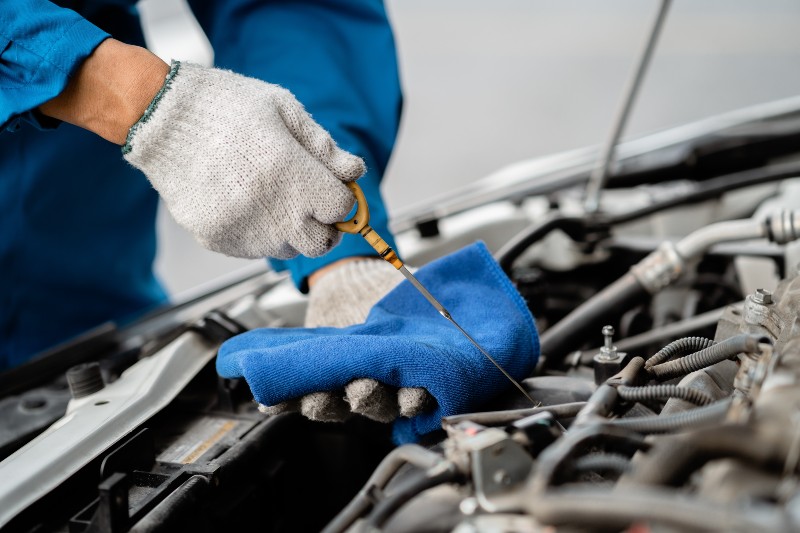
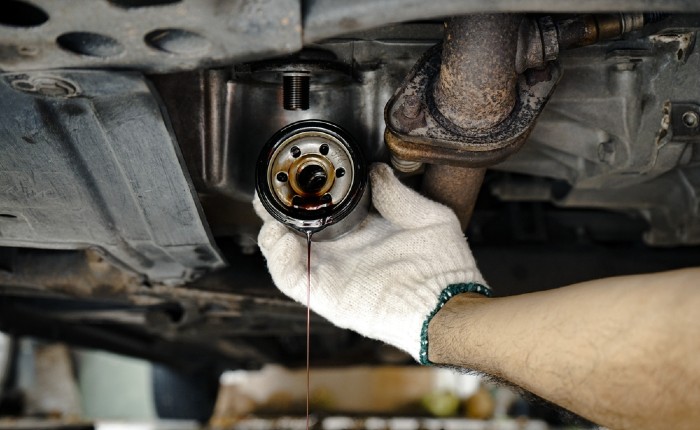
An oil change is more than swapping fluids. When you bring your vehicle to our service center at Brinson CDJR, our certified technicians drain the old oil, replace the oil filter, and add fresh oil in the correct grade and quantity for your specific vehicle. It’s also an opportunity to inspect your vehicle at the same time. We check fluid levels, look over belts and hoses, inspect tire condition and pressure, and flag anything else that might need attention down the road.
Think of it as a checkup, not just a fluid swap. That multi-point inspection that comes with your oil change at Brinson CDJR is one of the ways we help you stay ahead of problems before they become expensive repairs.
Engine oil is what keeps all of your engine’s internal moving parts from grinding against each other. Over time, that oil breaks down from heat and mechanical stress, and it picks up dirt, metal particles, and combustion byproducts along the way. Once it’s degraded, it can’t lubricate effectively, and without proper lubrication, engine components wear faster, temperatures rise, and you risk real damage.
For Jeep, RAM, Dodge, and Chrysler owners, staying on schedule with oil changes is one of the most straightforward ways to protect your investment. A basic oil change is far less expensive than an engine repair or replacement down the line.


The old advice of every 3,000 miles no longer applies to most modern vehicles. Depending on your engine and the type of oil used, today’s vehicles often call for oil changes every 5,000 to 10,000 miles, sometimes more with full-synthetic oil. The most reliable answer is to follow the interval your vehicle’s manufacturer recommends, which you’ll find in your owner’s manual.
Jeep, RAM, Dodge, and Chrysler vehicles typically display an oil life monitor on the instrument cluster. When that system indicates it’s time for an oil change, don’t wait. If you’re not sure what schedule applies to your specific vehicle, our service team at Brinson CDJR can pull up the right interval for your year, make, model, and engine right away.
Some driving conditions can also shorten that interval, which brings us to a question later on in this guide about driving style.
The right oil for your vehicle depends on the year, make, model, and engine. Jeep, RAM, Dodge, and Chrysler vehicles use specific oil weights and grades, commonly 0W-20, 5W-20, or 5W-30, depending on the engine and model year. Some vehicles require full-synthetic, while others can run on a conventional or synthetic-blend formula.
Using the wrong oil type or viscosity can affect fuel economy, engine performance, and long-term reliability. The safest approach is to let a trained technician check your owner’s manual recommendations and choose accordingly. When you bring your vehicle to Brinson CDJR, that’s exactly what we do: no guesswork, no substitutions.


Your vehicle typically gives you a few clear signals when it’s time to come in. The most obvious is the oil life monitor or oil change warning light on your dashboard. On most modern Jeep, RAM, Dodge, and Chrysler vehicles, an oil life percentage appears in the instrument cluster. When it gets low, schedule service promptly.
Outside of the dashboard indicators, here are some other signs to watch for:
If you notice any of these, schedule an oil change at Brinson CDJR sooner rather than later.
Skipping oil changes is one of the fastest ways to shorten your engine’s life. Oil that’s been in the engine too long becomes thick, sludgy, and full of particles that it can no longer suspend properly. At that point, it stops lubricating the way it should, and the consequences escalate quickly.
In mild cases, you might see increased engine noise and reduced fuel economy. In more serious situations, dirty oil can cause excessive wear on internal components, lead to overheating, clog the oil passages, and eventually cause catastrophic engine failure. Engine replacements and major repairs cost far more than a routine oil change, sometimes by several orders of magnitude.
If you’ve fallen behind on oil changes, the best thing you can do is schedule one now at Brinson CDJR in Corsicana. Our team will assess your current oil condition and get you back on track.


Most oil changes at Brinson CDJR take approximately 30 to 45 minutes for a standard appointment. If you schedule in advance, we can often get you in and out even faster. If you’re having additional services done at the same time, such as tire rotation, multi-point inspection, or cabin filter replacement, the visit may take a bit longer, but we’ll give you a realistic estimate when you drop off.
Our service waiting area is available if you want to stay on-site, or you can arrange to drop your vehicle off and pick it up later in the day. Scheduling online through our service center is the easiest way to pick a time that works for your schedule.
Absolutely. What your manufacturer labels “severe” driving conditions can require more frequent oil changes than the standard interval. If any of the following apply to you regularly, you may need to service your oil more often:
These conditions create more heat and stress on the oil, causing it to break down faster. If your daily driving fits several of these descriptions, ask our service team at Brinson CDJR about the right interval for your situation.
Yes, switching between oil brands won’t damage your engine as long as the oil meets your vehicle’s required viscosity and specification standards. What matters most isn’t the brand, but whether the oil matches what your vehicle requires. If the grade, type, and certification are correct, the brand is a secondary consideration.
When you bring your vehicle to Brinson CDJR for an oil change, we always use oil that matches your manufacturer’s specifications. If you have questions about what your vehicle requires, especially if you’ve been using a different product elsewhere, our service advisors can confirm the right spec and make sure you’re running what your engine was designed for.
Oil change pricing at Brinson CDJR in Corsicana varies based on your vehicle’s oil type requirements. Conventional oil changes are typically less expensive than synthetic, and full-synthetic packages run a bit higher but often come with longer change intervals, which can balance out the cost over time.
We also run service specials and Mopar® coupons that can help reduce the cost of your routine maintenance. The best way to get accurate pricing for your specific vehicle is to schedule an appointment or contact our service department directly. We don’t believe in hidden fees. What we quote is what you pay.

Staying current on oil changes is one of the easiest ways to protect the engine in your Jeep, RAM, Dodge, or Chrysler. At Brinson CDJR in Corsicana, TX, our certified service team is ready to get you in quickly and get you back on the road. Schedule online, visit us in person, or contact our service department. We’re here Monday through Saturday.


