




Brinson CDJR of Corsicana
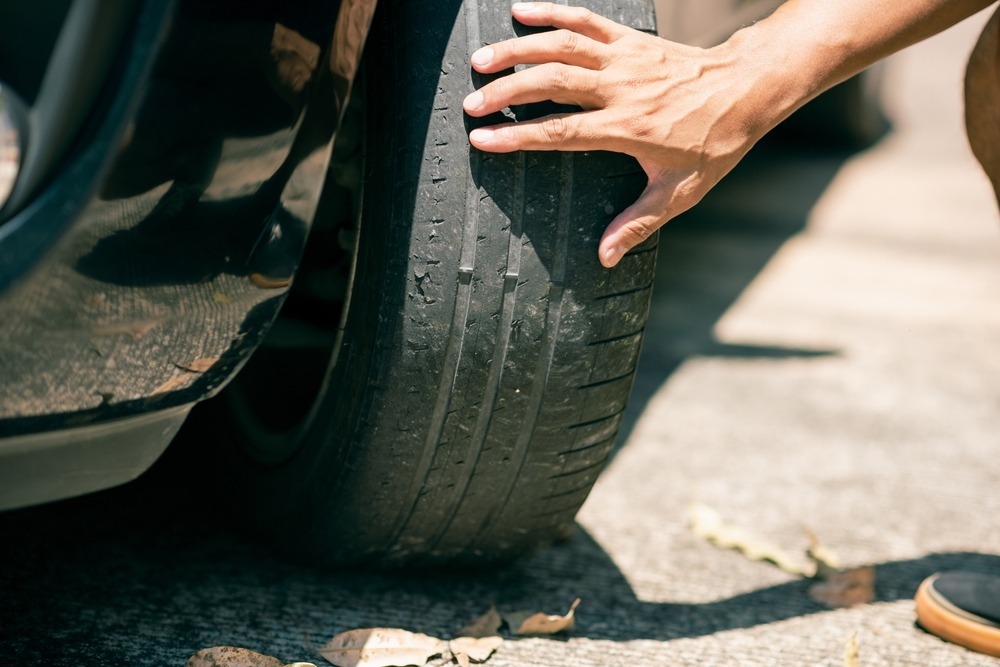
The classic penny test is still the easiest way to check tread at home. Place a penny into a tread groove with Lincoln’s head facing down. If you can see all of his head, your tread is worn down and it is time to start shopping for new tires. If part of his head stays covered, your tread still has some life left, though it is worth checking a few spots across each tire since wear is not always even.
Most car tires start with about 10/32 of an inch of tread and are considered worn out around 2/32 of an inch. A tire tread depth gauge gives a more precise reading than the penny test if you want an exact number, and our technicians can check tread depth on all four tires during any visit.
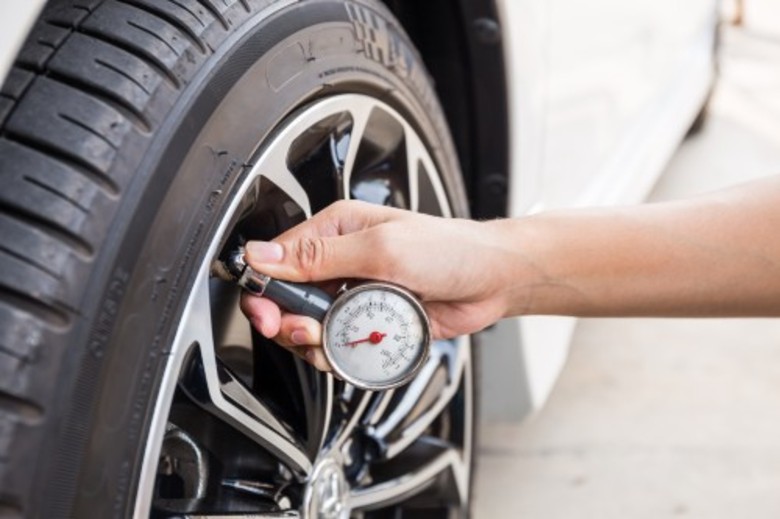
Your vehicle’s recommended tire pressure is listed on a sticker inside the driver door jamb, not on the tire itself. The number molded into the tire sidewall is the maximum pressure the tire can hold, which is usually higher than what the manufacturer recommends for everyday driving.
It is worth checking tire pressure at least once a month and before any long road trip, since pressure naturally drops in cold weather and rises in hot weather. Underinflated tires wear unevenly and hurt fuel economy, while overinflated tires reduce grip and ride comfort.

A good rule of thumb is to rotate your tires every 5,000 to 7,500 miles, or roughly every other oil change, though the exact interval can vary by vehicle and tire type. Regular rotations even out tread wear across all four tires, which helps them last longer and keeps handling consistent.
Front tires typically wear faster than rear tires because they handle steering and carry more weight under braking, so front-to-back rotation patterns help extend the life of a full tire set. Our service team can recommend the right rotation pattern and interval for your specific vehicle.
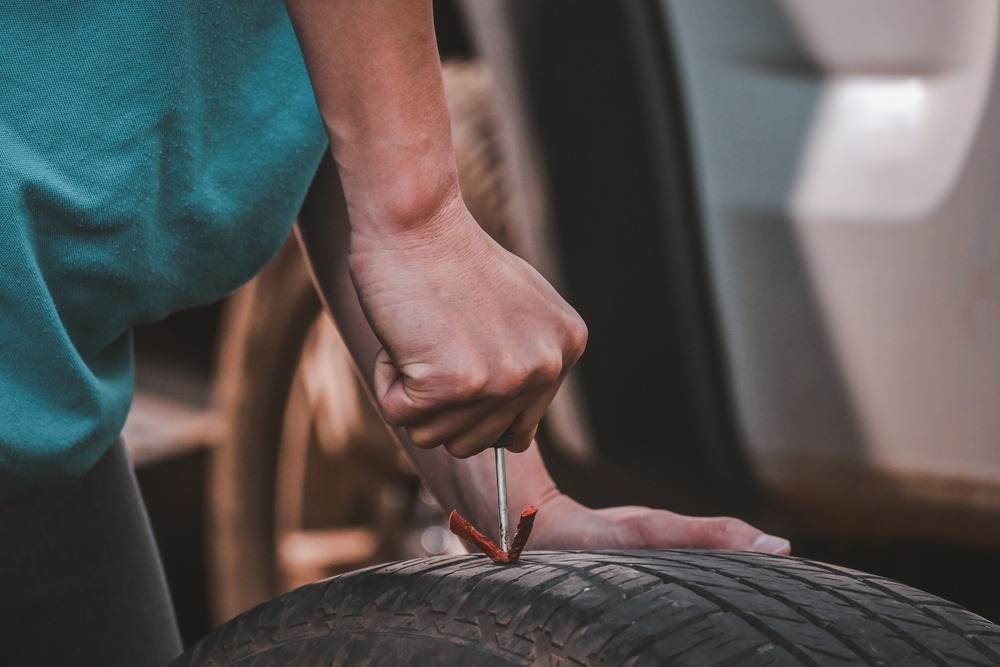
Most all season tires last somewhere between 25,000 and 50,000 miles, depending on the tire model, your driving habits, and how well they are maintained with regular rotations and proper inflation. Even a tire with plenty of tread left should generally be replaced by around 6 years of age, since rubber compounds break down over time regardless of mileage.
Beyond the penny test, watch for cracks in the sidewall, bulges or blisters, vibration while driving, or a tread wear indicator bar that has become flush with the tread. Any of these signs mean it is time to have your tires inspected.
Most vehicles benefit from a tire rotation every 5,000 to 7,500 miles, or about every other oil change. Check your owner’s manual for the interval recommended for your specific vehicle.
Insert a penny into a tread groove with Lincoln’s head facing down. If you can see the top of his head, your tread is worn and it is time to consider new tires. A tread depth gauge gives a more exact reading.
Use the recommended pressure listed on the sticker inside your driver door jamb, not the maximum pressure molded into the tire sidewall. Check it at least once a month, since temperature changes affect pressure.
Most all season tires last between 25,000 and 50,000 miles depending on the tire and driving habits, and should generally be replaced around 6 years of age regardless of remaining tread.
The tire pressure warning light means one or more tires has dropped below the recommended pressure. This often happens with cold weather but can also signal a slow leak, so it is worth checking all four tires with a gauge and having a technician inspect for punctures if the light stays on.
Tire rotation pricing can vary depending on your vehicle and any current service specials. Contact our service department for current pricing and to schedule your appointment.
Replace your tires when tread depth reaches about 2/32 of an inch, when you notice sidewall cracks or bulges, when you feel vibration while driving, or once the tires reach around 6 years of age, even if tread still looks acceptable.


