




Learn More about Changing Your Cars Filters
Brinson Chrysler Dodge Jeep RAM
When most people think about vehicle maintenance, the first things that come to mind are oil changes, tire rotations, or brake checks. But there’s another crucial piece that often gets overlooked—your car’s filters. At Brinson CDJR in Corsicana, TX, we’ve seen it all: drivers come in for routine service, and when we inspect their filters, they’re often found to be long overdue for replacement. Your filters play crucial roles in ensuring your car runs smoothly, efficiently, and safely. Ignoring them can lead to expensive problems down the road.
So, what do these filters actually do, and why are they so important? Let’s break it down.
The Engine Air Filter: Your Engine’s First Line of Defense
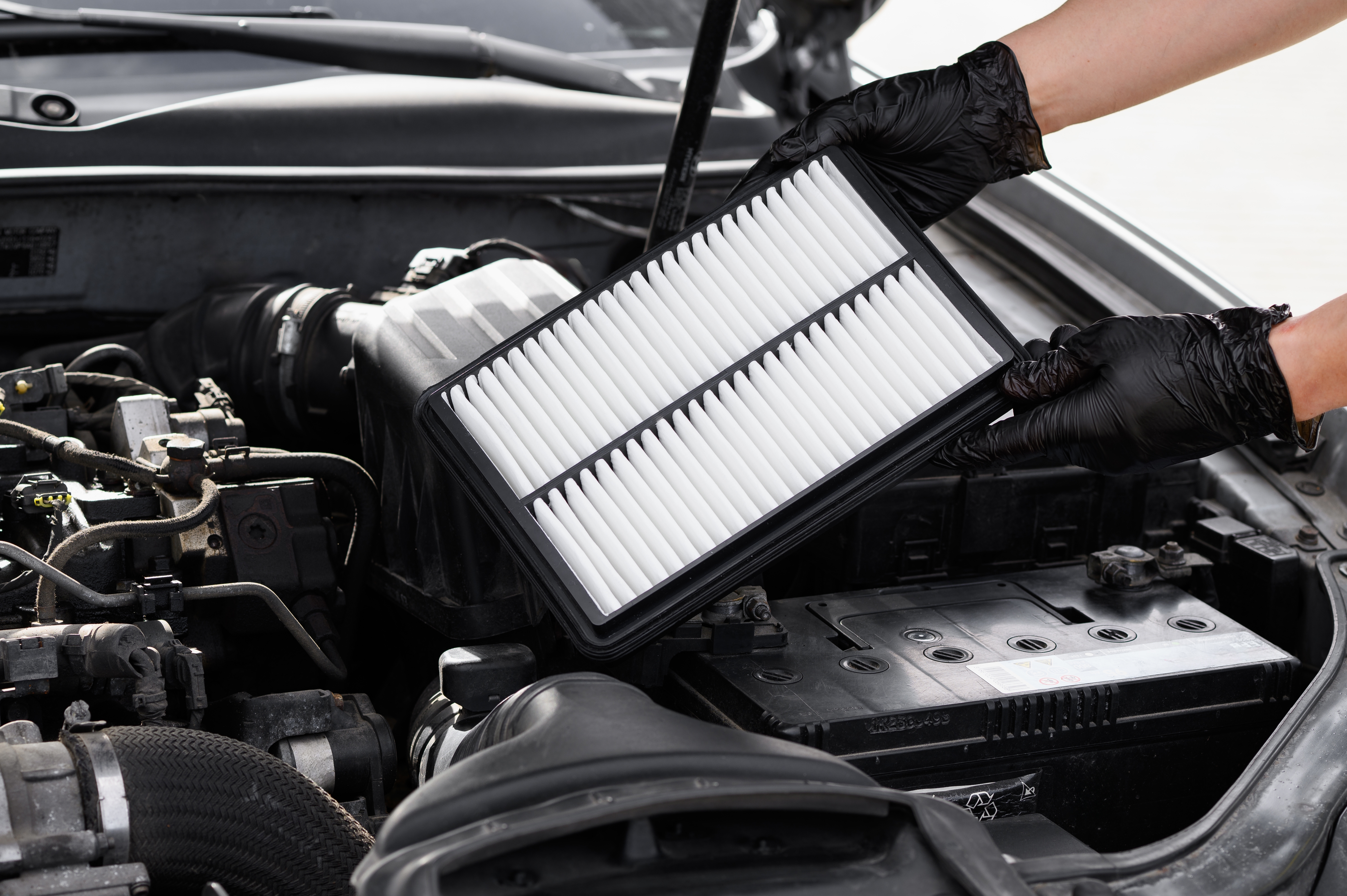
Think of your engine air filter as the lungs of your vehicle. Its job is vital but straightforward—it keeps dust, debris, dirt, and other particles from entering and clogging the motor while allowing clean air to flow in for combustion. Without a clean filter, your engine has to work harder to “breathe,” which means reduced performance and fuel efficiency. Over time, a dirty air filter can even cause engine misfires, sluggish acceleration, or unusual sounds under the hood.
If the engine seems to be struggling or the fuel economy has dropped suddenly, a clogged air filter might be the culprit. Most filters should be replaced every year, or every 12,000 to 15,000 miles, but this varies depending on your driving frequency. For example, if you’re driving in dusty areas around Corsicana or spend a lot of time on gravel roads, you’ll likely need to replace it more often.
The Cabin Air Filter: Breathing Clean Inside Your Car
While the engine air filter protects the motor, the cabin air filter safeguards you and your passengers. It filters the air that enters the cabin through your vehicle’s heating, ventilation, and air conditioning (HVAC) system. That means it traps dust, pollen, smog, and even odors before they reach you.
If you’ve noticed a musty smell when turning on your A/C, reduced airflow from the vents, or more dust on your dashboard than usual, your cabin air filter might need changing. Many drivers don’t realize the significant difference a fresh filter can make. Breathing cleaner air inside your car isn’t just about comfort—it’s about your health, too.
Replacing your cabin air filter regularly helps keep allergens at bay, reduces strain on your HVAC system, and improves overall air quality. Typically, it’s best to swap it out every 15,000 to 30,000 miles, depending on your environment and driving habits.
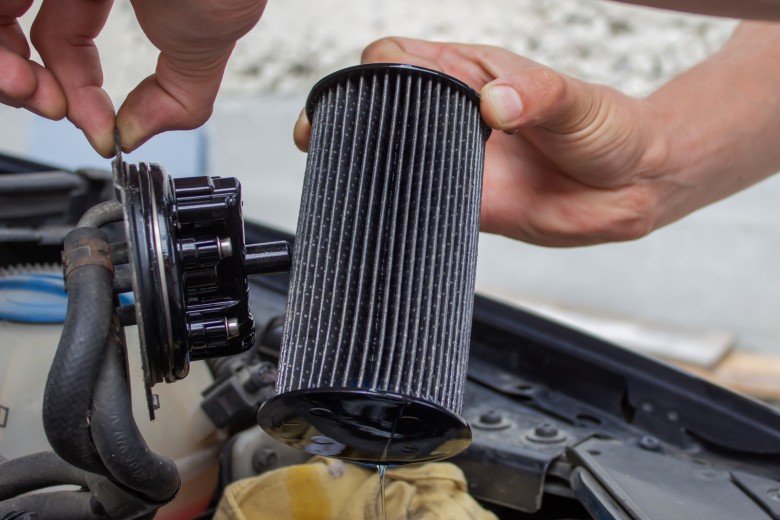
The Fuel Filter: Protecting the Heart of Your Vehicle
Now let’s talk about the fuel filter—a small but mighty component that keeps your fuel system clean. Its job is to catch dirt, rust, and other particles from your fuel before they can reach the engine. Clean fuel means smooth combustion and steady power delivery.
Over time, though, the fuel filter can get clogged, restricting the flow of fuel. This can lead to several warning signs, including difficulty starting your car, sputtering when accelerating, loss of power, or even stalling. If any of these sound familiar, it’s worth having your fuel system checked.
Replacing your fuel filter is crucial for maintaining optimal performance, enhancing fuel efficiency, and preventing costly repairs to your injectors or fuel pump. It’s one of those parts that quietly does its job in the background—until it doesn’t.
Why Changing Filters Matters
Ignoring dirty filters might seem harmless, but they have a domino effect on your vehicle’s performance. A clogged engine air filter reduces horsepower and fuel economy. A neglected cabin air filter can lower air quality and reduce the efficiency of your A/C system. And a blocked fuel filter can lead to poor performance or even engine damage.
Replacing these filters regularly is one of the easiest, most affordable ways to keep your vehicle healthy. It’s a small maintenance step that pays off big time in performance, comfort, and longevity. At Brinson CDJR, our certified technicians can check all your filters and recommend replacements based on your driving habits, vehicle type, and conditions.
How to Know When It’s Time for a Filter Change
Here are a few telltale signs that your filters may need attention:
- Reduced engine performance or power – Often caused by a dirty engine air filter.
- Decreased fuel efficiency – A clogged air filter or fuel filter can make your engine work harder.
- Strange engine noises – Whistling or sputtering may indicate restricted airflow or a fuel flow issue.
- Musty smells or reduced airflow in the cabin – A sure sign your cabin air filter needs replacing.
- Difficulty starting the vehicle or stalling – Could be due to a blocked fuel filter.
If you’re experiencing any of these issues, don’t wait too long to get them checked. Filters are easy to replace and can make a world of difference in how your car drives and feels.
Change Out Your Filters With Brinson CDJR!

Taking care of your car’s filters is simple, affordable, and vital for keeping everything running smoothly. At Brinson CDJR in Corsicana, TX, our service team is here to help with quick inspections and filter replacements to make sure your vehicle stays in top shape. Stop by today or schedule your next service appointment online—it’s one small step toward a cleaner, smoother, and longer-lasting ride.
FAQ: Changing Your Car’s Filters
Q: How often should I change my car’s filters?
A: It depends on the type of filter and your driving conditions. Typically, engine air filters and cabin air filters should be replaced every 15,000 miles, while fuel filters can last up to 40,000 miles or more. If you’re unsure about when to change your filters, refer to your owner's manual for recommendations.
Q: Can I change my filters myself?
A: In some cases, yes—especially the cabin air filter or engine air filter. However, for the fuel filter, it’s best to let a professional handle it since it’s connected to the fuel system and requires specialized tools and safety precautions.
Q: What happens if I don’t change my filters?
A: Over time, performance, efficiency, and air quality will decline. You may notice reduced power, unpleasant odors, or increased fuel consumption. Neglecting filters can also cause long-term engine damage.
Q: Does changing filters really make a difference?
A: Absolutely. Clean filters help your engine “breathe” better, improve air quality inside your cabin, and protect critical components from wear and tear.
| Day | Open | Closed |
|---|---|---|
| Monday | 8:30AM | 7:00PM |
| Tuesday | 8:30AM | 7:00PM |
| Wednesday | 8:30AM | 7:00PM |
| Thursday | 8:30AM | 7:00PM |
| Friday | 8:30AM | 7:00PM |
| Saturday | 8:30AM | 6:00PM |
| Sunday | Closed | Closed |
| Day | Open | Closed |
|---|---|---|
| Monday | 7:30AM | 6:00PM |
| Tuesday | 7:30AM | 6:00PM |
| Wednesday | 7:30AM | 6:00PM |
| Thursday | 7:30AM | 6:00PM |
| Friday | 7:30AM | 6:00PM |
| Saturday | 8:00AM | 4:00PM |
| Sunday | Closed | Closed |
| Day | Open | Closed |
|---|---|---|
| Monday | 7:30AM | 6:00PM |
| Tuesday | 7:30AM | 6:00PM |
| Wednesday | 7:30AM | 6:00PM |
| Thursday | 7:30AM | 6:00PM |
| Friday | 7:30AM | 6:00PM |
| Saturday | 8:00AM | 4:00PM |
| Sunday | Closed | Closed |
Get Directions
| Department | Number |
|---|---|
| Sales | 903-354-7465 |
| Service | 903-392-0894 |
| Parts | 903-366-7004 |